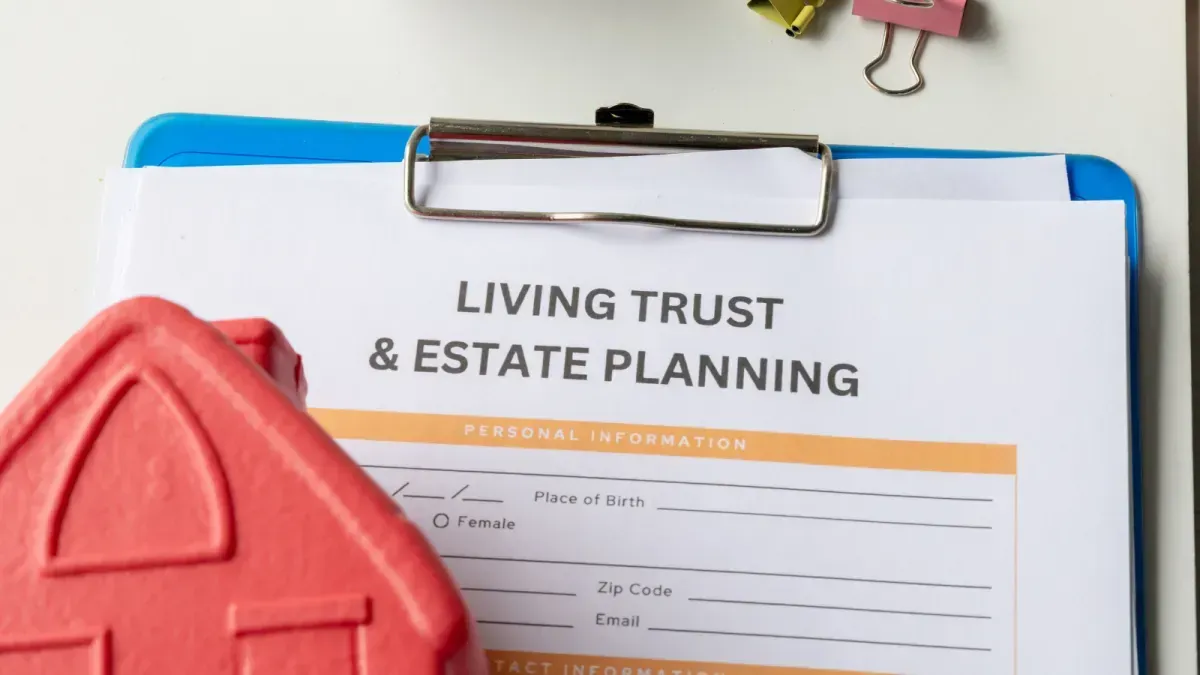
The 5 Most Important Estate Planning Documents Every Senior Should Have Before Age 70

The 5 Most Important Estate Planning Documents Every Senior Should Have Before Age 70
November 27, 2025 • 3 min read
When it comes to planning, most seniors think of Medicare, Social Security, and healthcare — but there’s another part of retirement that often gets overlooked: simple estate planning. And it doesn’t have to be complicated. It’s about protecting your wishes, your health, and the people you love.
Before age 70, every senior should have five essential documents in place. These documents keep you in control, reduce stress for your family, and make sure your life is handled exactly the way you want.
Here are three quick things to know before we go deeper.
🔑3 Key Points for Seniors
Estate planning is not just about money — it’s about protecting your wishes.
Every senior needs five simple documents to stay safe and prepared.
Having these documents avoids confusion, court delays, and family conflict.
1. A Last Will and Testament
A will is the foundation of an estate plan. It explains:
Who receives your belongings
Who will manage your affairs
Who will care for pets
How special items should be passed on
Without a will, the state decides these things for you — and the process is slow, expensive, and stressful for your family.
A will gives your loved ones clarity and keeps everything organized.
2. A Durable Financial Power of Attorney (POA)
This document lets someone you trust manage your:
bills
banking
insurance
financial decisions
If something unexpected happens and you become unable to manage your affairs, your loved ones can step in immediately — without needing to go to court.
For many seniors, this is the most important document besides a will.
3. A Medical (Healthcare) Power of Attorney
This gives a trusted person the authority to:
speak with your doctors
make healthcare decisions
handle medical paperwork
advocate for your care
If you can’t speak for yourself, this document protects your wishes and helps your family make decisions confidently and legally.
4. An Advance Healthcare Directive (Living Will)
This document explains:
what type of medical care you want
treatments you do or do not want
your preferences for end-of-life decisions
It brings peace of mind to your family during emotional moments and ensures your values are honored.

5. A Revocable Living Trust (Optional but Extremely Helpful)
Not every senior needs a trust — but many benefit greatly from having one.
A trust helps you:
avoid probate
protect your home
manage assets smoothly
keep your affairs private
reduce legal delays for your family
Think of a trust as a “private container” that holds your most important assets and directs them exactly how you want.
For seniors who own a home or want to simplify things for their family, a trust is one of the most helpful tools available.
Why These Documents Matter More Than Ever
As we age, it becomes more important to stay in control. These five documents:
protect your decisions
support your family
keep things simple in emergencies
prevent conflict
reduce stress
avoid unnecessary legal costs
Estate planning isn’t about fear — it’s about peace of mind. It’s about giving your family clarity, and giving yourself confidence that everything is taken care of.
And the best part?
You don’t have to do this alone.
Conclusion
Estate planning is one of the most loving gifts you can give to yourself and the people you care about. A few simple documents can protect your wishes, avoid confusion, and make life easier for your family — now and in the future.
If you’d like help understanding wills, trusts, or estate planning options, Senior Help And You is here to guide you with clarity and care.
📞Call us at 520-252-5275
🌐Visit:ajfinsuranceservices.com
You can also explore our other helpful senior guides here: ajfinsuranceservices.com/blog
📌3 Takeaways
Every senior should have a will, POA, medical directive, healthcare POA, and (optional) trust before age 70.
These documents protect your wishes and reduce stress for your family.
Estate planning doesn’t have to be complicated — simple steps make the biggest difference.
Reference Sources
Arizona Department of Health Services – Advance Directives
American Bar Association – Estate Planning Basics
AARP – Wills and Estate Planning Guide
Authored by Albert Ferrin, RSSA
Founder of Senior Help And You LLC
